
Pollinator EducationWhy Pollinators Matter
Pollinators play a vital role in maintaining healthy ecosystems and supporting food production throughout the Columbia Basin. From backyard gardens to commercial agriculture, many plants depend on pollinators to reproduce and produce the fruits, vegetables, seeds, and nuts we rely on every day.
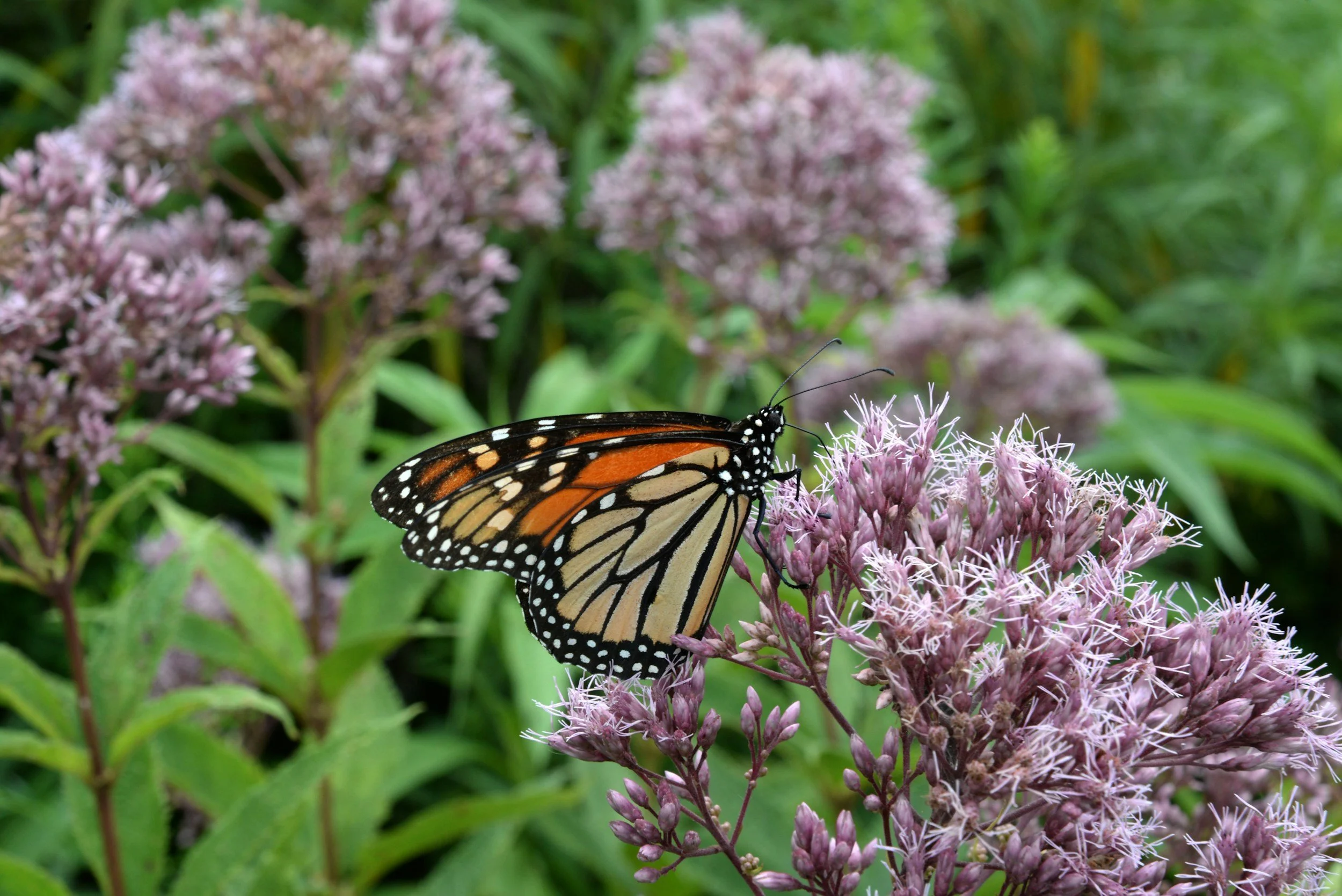
While honeybees are among the most recognizable pollinators, they are only one part of a much larger network that includes native bees, butterflies, moths, beetles, flies, birds, and other beneficial species. Together, these pollinators help sustain the biodiversity that keeps our environment healthy and productive.
At Desert Farms Apiary, we believe responsible beekeeping goes hand in hand with supporting all pollinators and promoting healthy habitats throughout our community.
Honey Bees and Native Bees
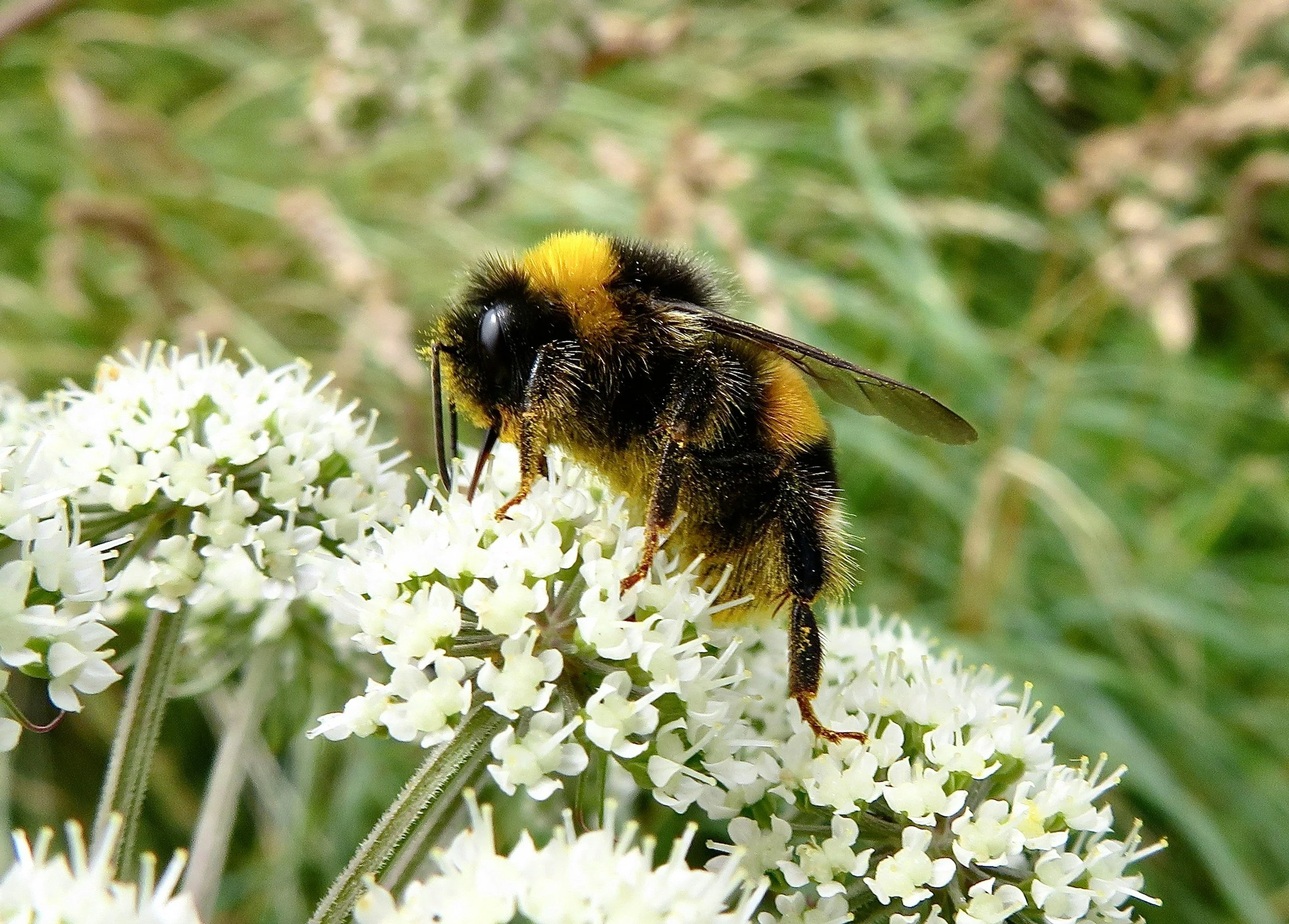
Honeybees often receive the most attention because they produce honey and live in managed colonies. However, Washington State is home to hundreds of native bee species that are equally important to local ecosystems.
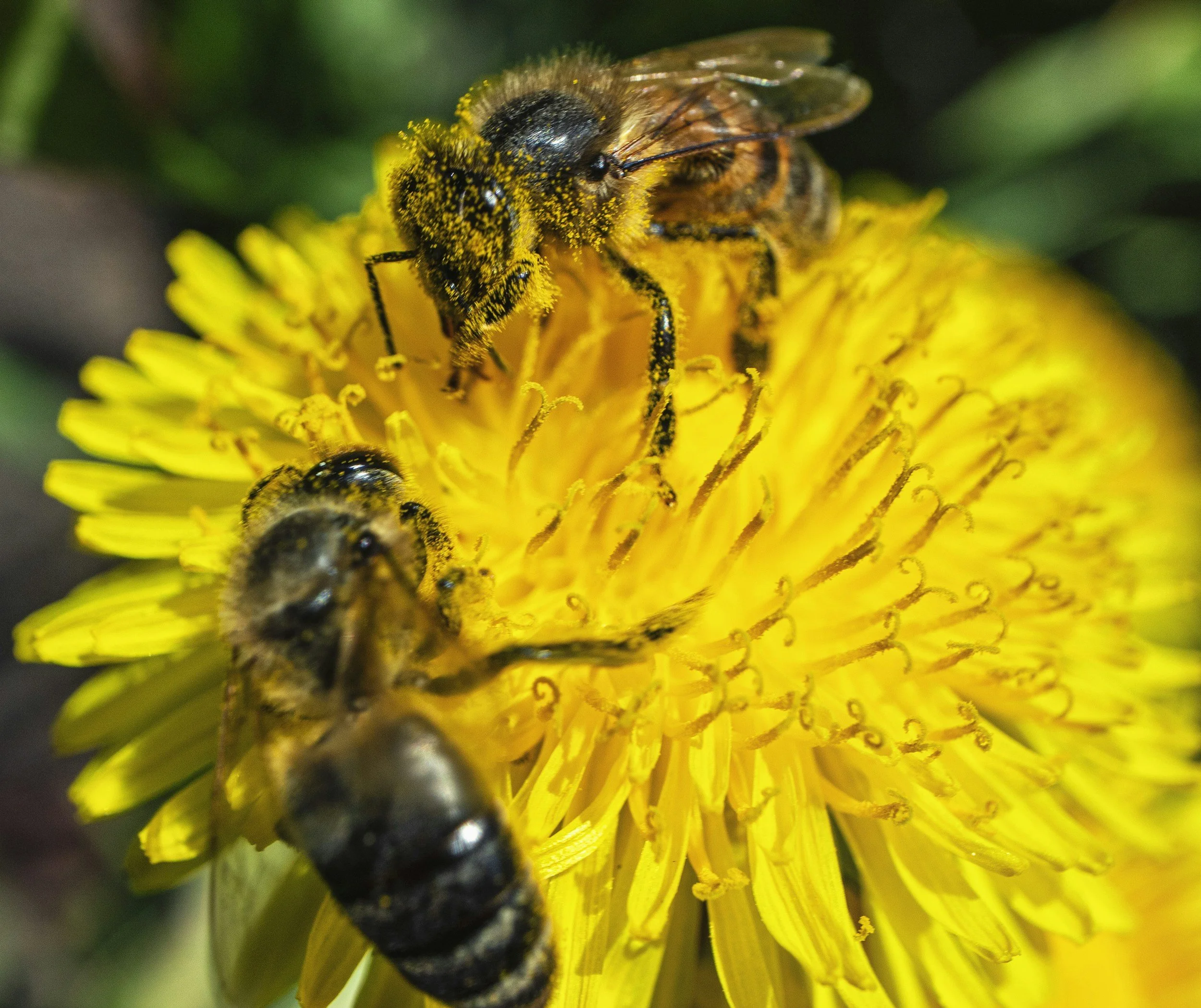
Honey Bees
Live in large colonies
Produce honey and beeswax
Can be managed by beekeepers
Pollinate a wide variety of plants and crops
Native Bees
Include mason bees, leafcutter bees, bumble bees, and many others
Often live alone rather than in colonies
Do not produce surplus honey
Are highly effective pollinators for many native plants and crops
Healthy landscapes support both managed honey bees and native pollinator species.
Pollinators in the Columbia Basin
The Columbia Basin provides a unique environment for pollinators thanks to its combination of native habitats, irrigated agriculture, and seasonal wildflowers.
Throughout the growing season, pollinators may forage on:
Spring
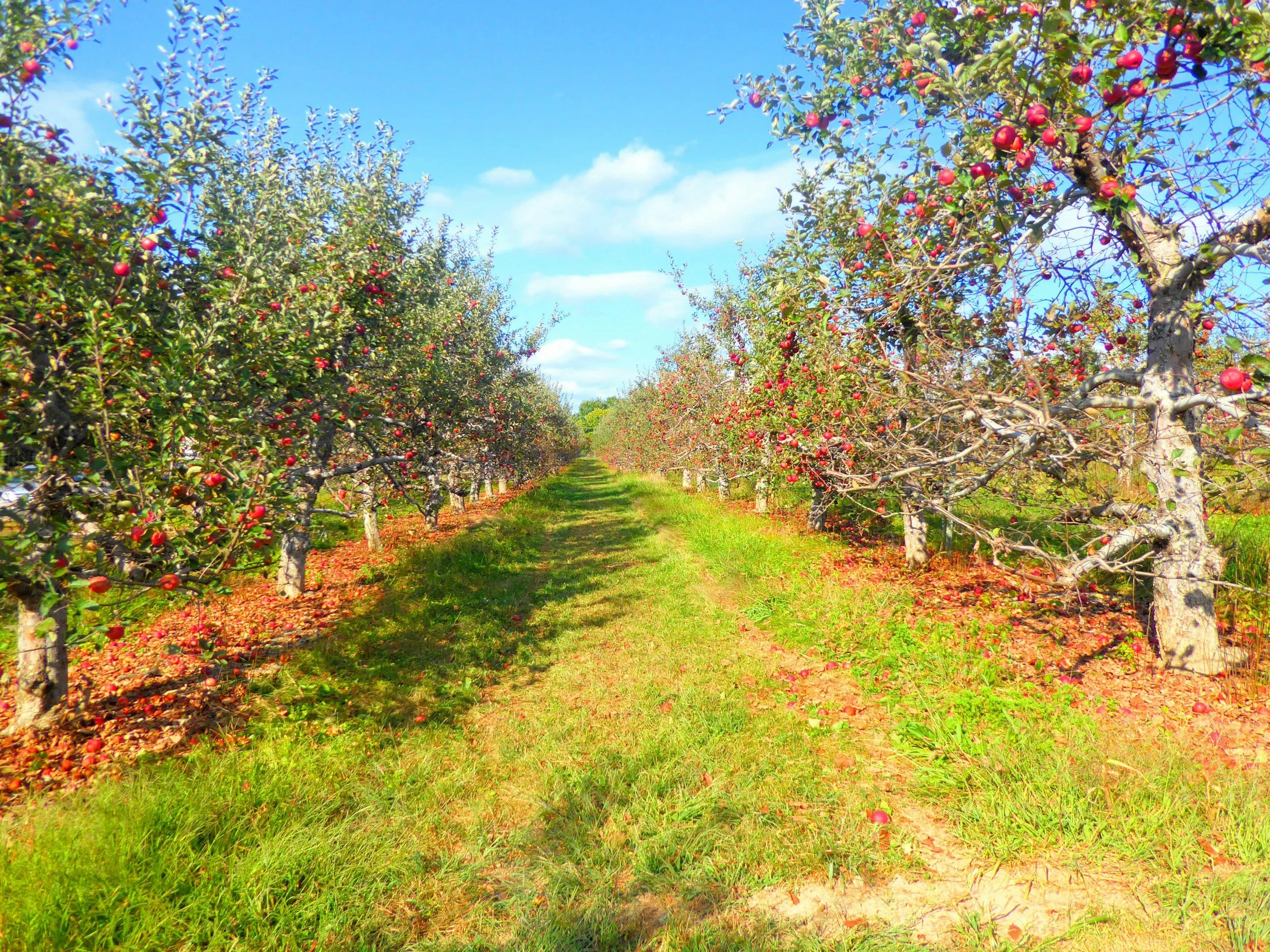
Fruit tree blossoms
Dandelions
Clover
Ornamental flowering trees and shrubs
Summer
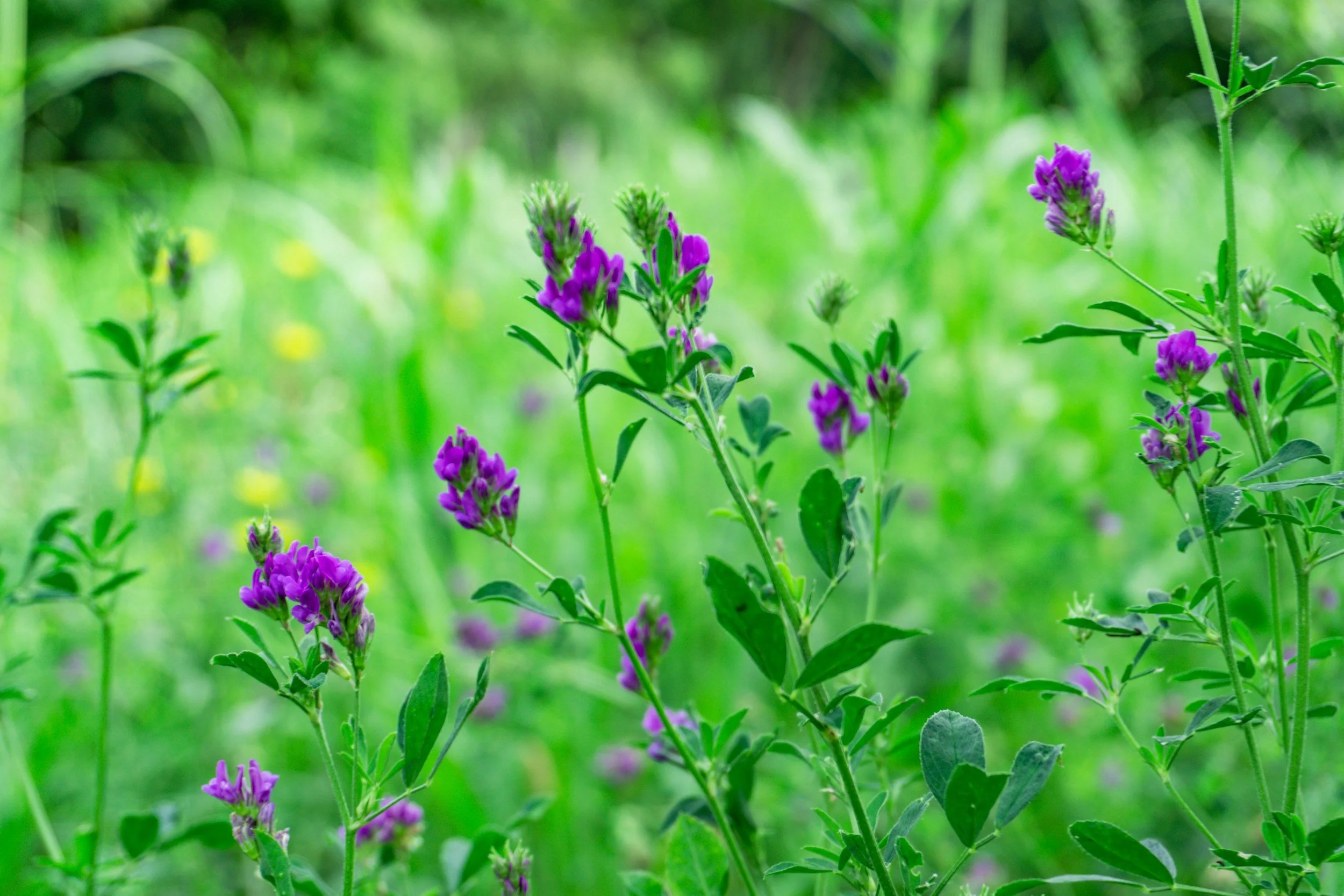
Alfalfa
Sweet clover
Sunflowers
Garden flowers
Wildflowers
Fall
Rabbitbrush
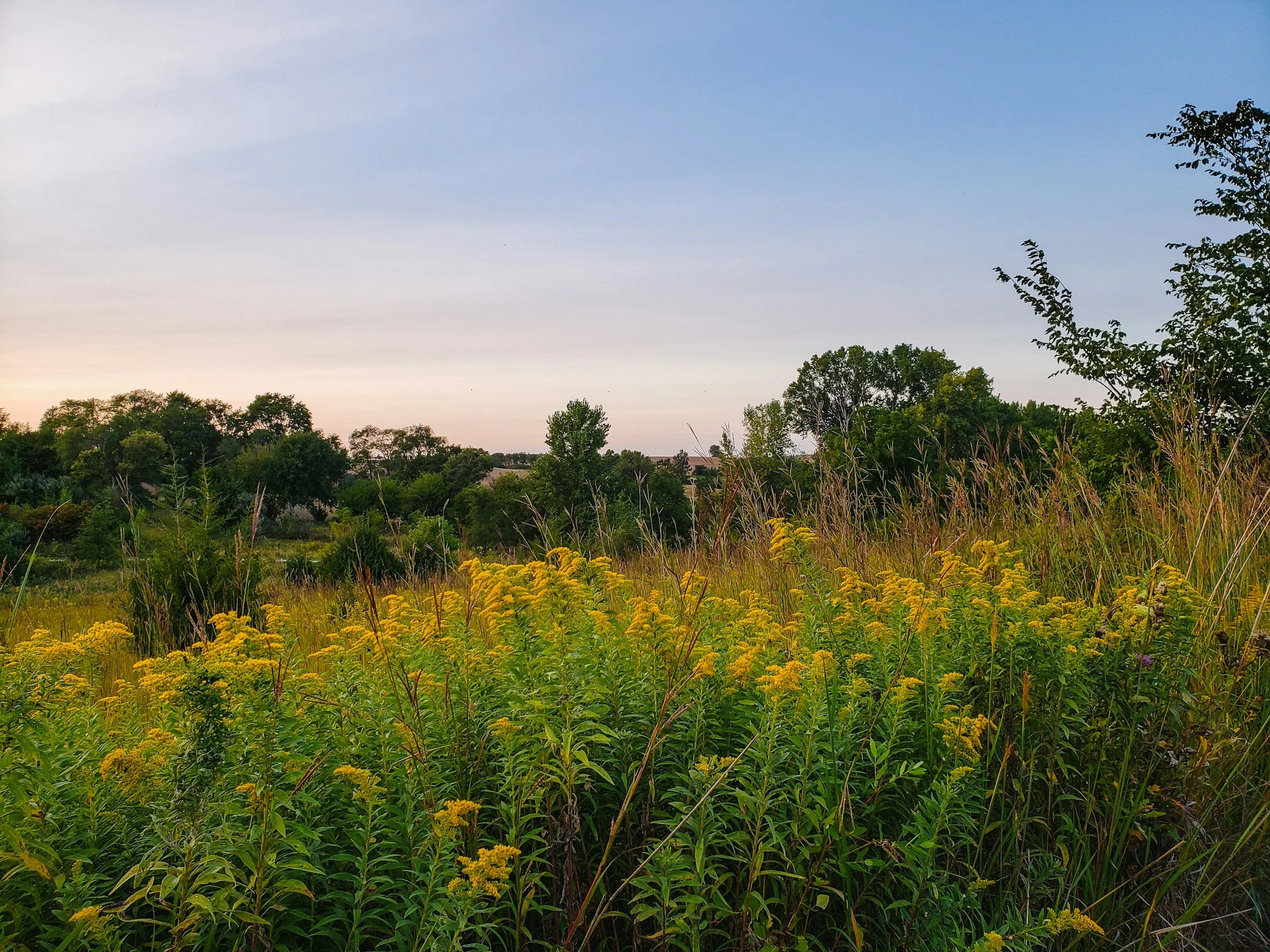
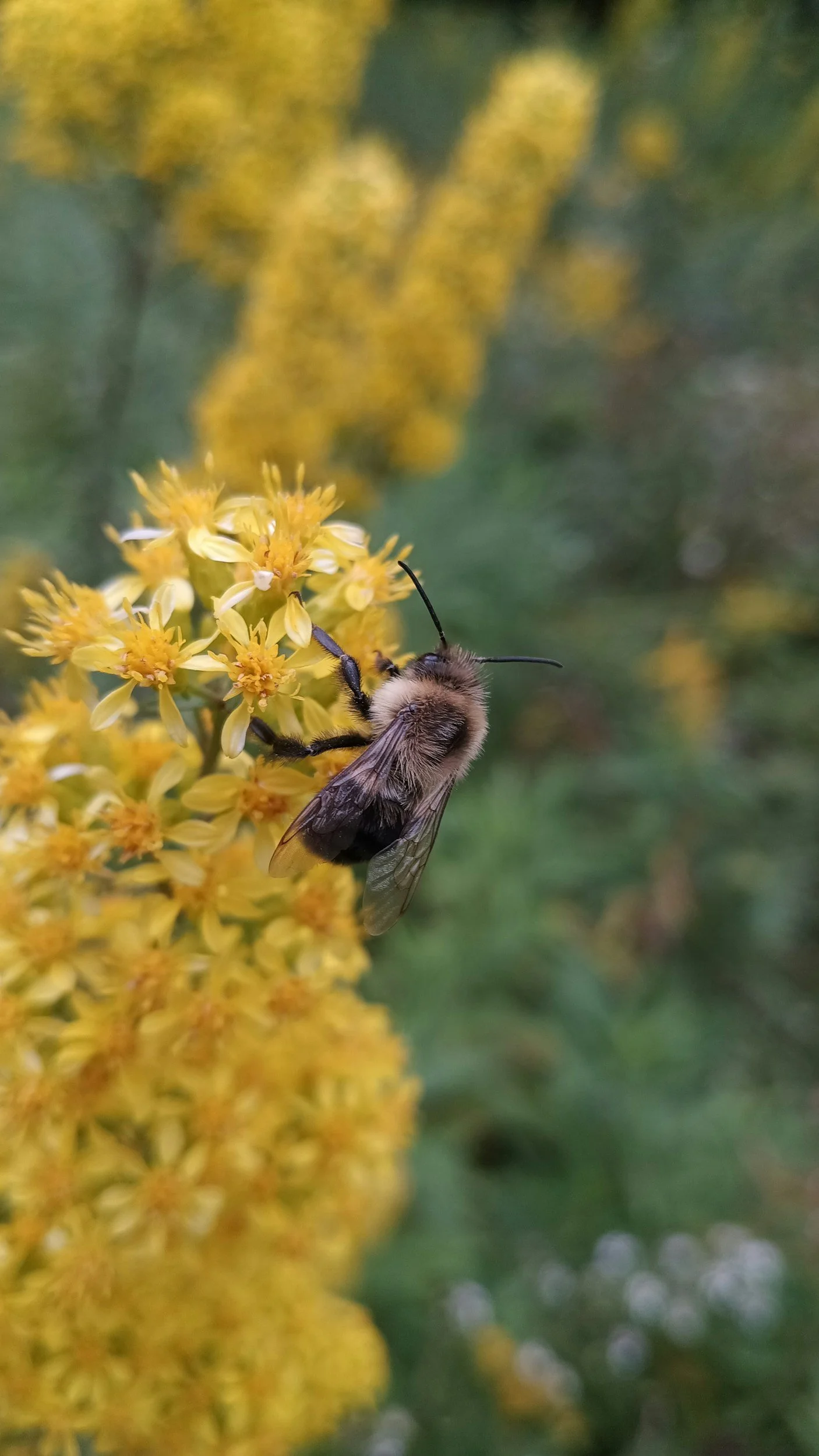
Goldenrod
Late-season wildflowers
Landscape plantings
How You Can Help Pollinators
Supporting pollinators does not require a large farm or garden.
Small actions can make a meaningful difference.
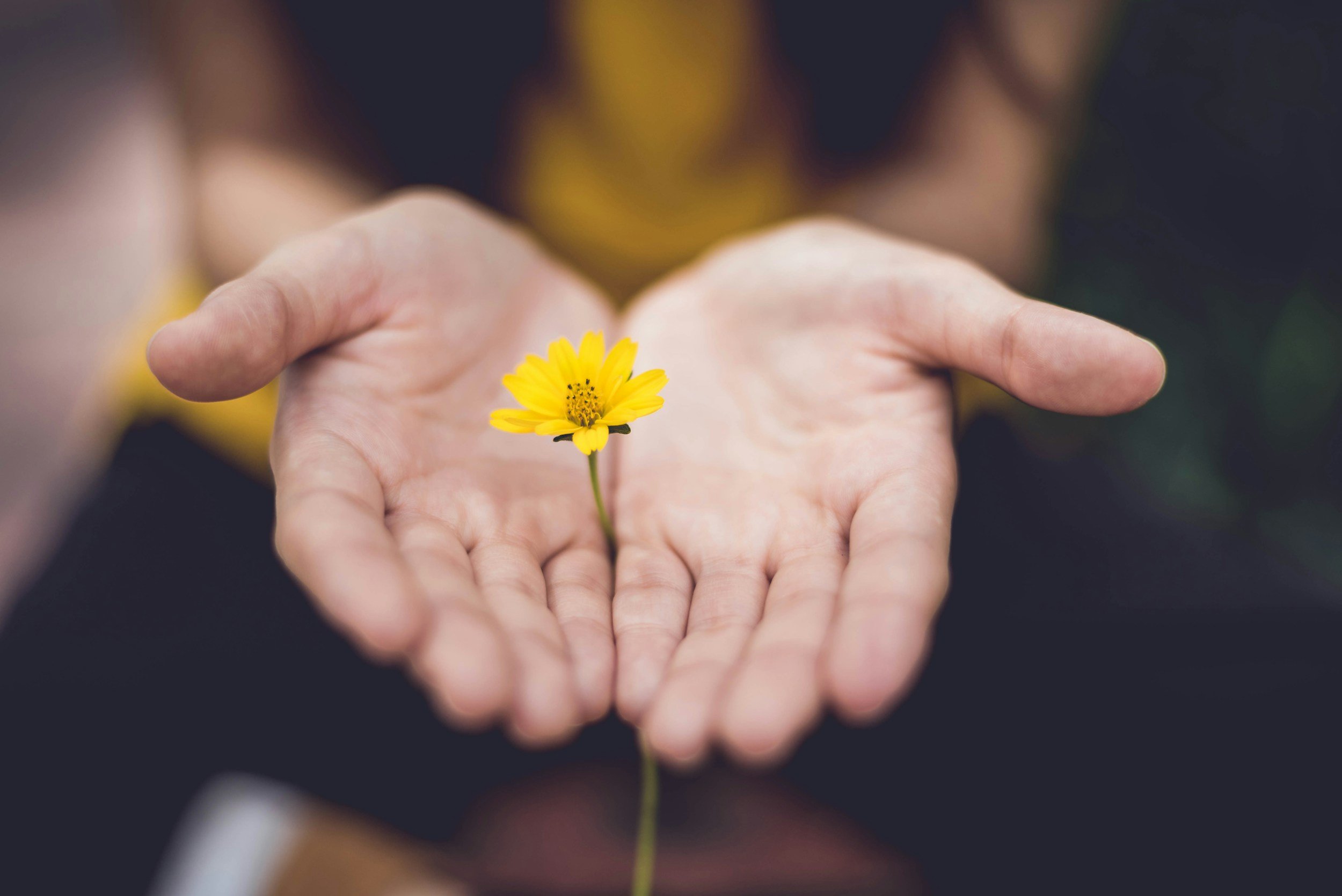
Plant Pollinator-Friendly Flowers
Choose a variety of flowering plants that bloom from spring through fall to provide a continuous food source.
Reduce Pesticide Use
Use pesticides only when necessary and always follow label instructions. Avoid applying pesticides to blooming plants whenever possible.
Provide Water
A shallow source of clean water can benefit pollinators during the warmer months.
Leave Some Natural Habitat
Native plants, brush, and undisturbed areas provide nesting and shelter opportunities for many pollinator species.
Support Local Beekeepers
and Growers
Purchasing local agricultural products helps support sustainable farming and pollinator-friendly practices within your community.